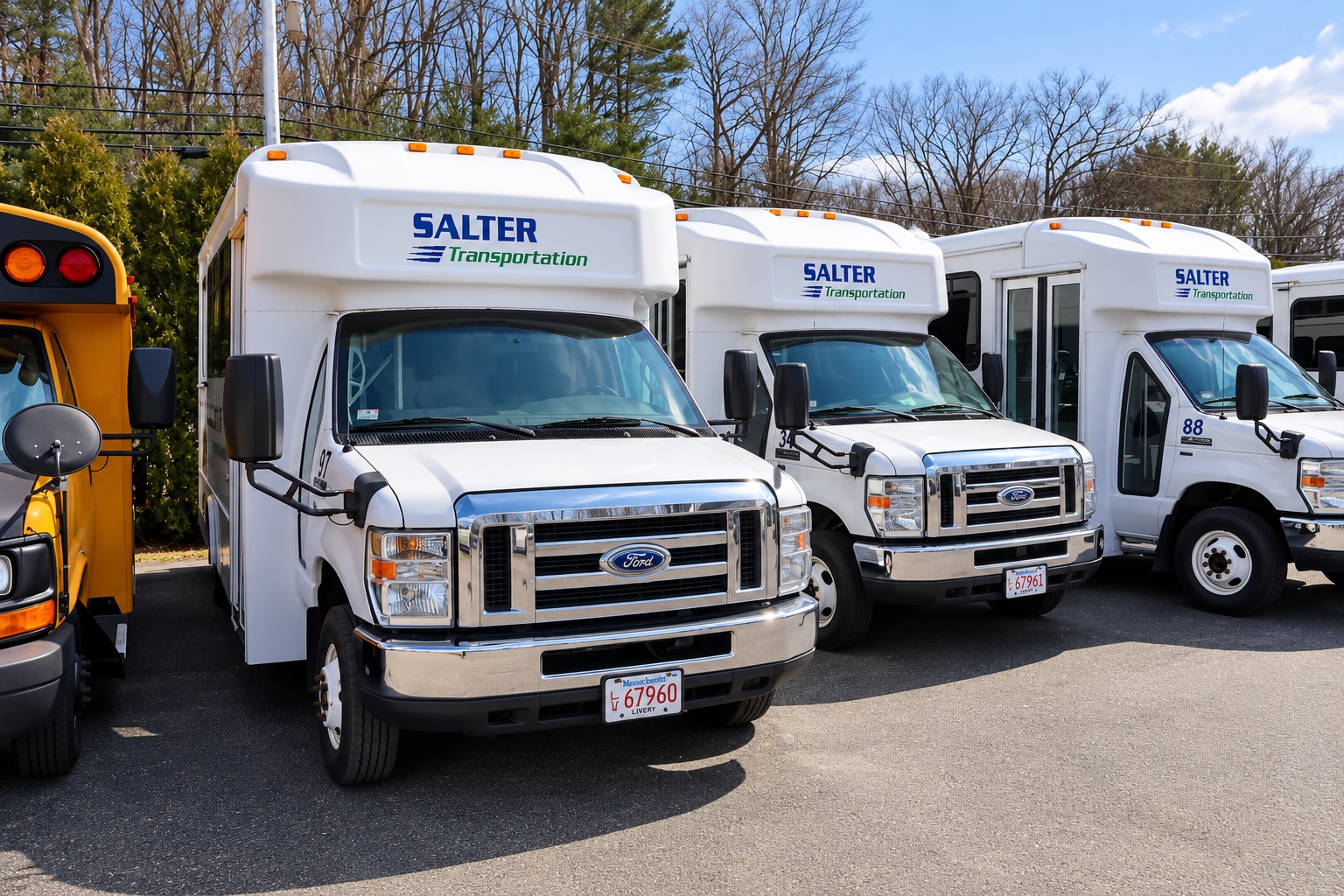
Fall is one of the busiest times of year for school field trips across Massachusetts and southern New Hampshire. Whether you’re organizing a visit to a museum, historic site, farm, science center, or athletic competition, reliable transportation is a key part of creating a successful experience for students and staff.
From budgeting and scheduling to selecting the right vehicle, planning ahead can help avoid last-minute challenges. This guide covers transportation best practices, seasonal planning tips, and popular educational destinations within about two hours of the North Shore.
Why Early Transportation Planning Matters
For many schools, transportation is one of the first items that needs to be secured and one of the easiest items to overlook until calendars start filling up.
Common challenges include:
- High demand during September, October, and November
- Multiple grades competing for transportation resources
- Budget approval timelines
- Athletic events and extracurricular travel
- Interstate trips between Massachusetts and New Hampshire
Booking transportation 6 to 8 weeks in advance can help schools secure preferred travel dates and vehicle options.
Popular Educational Field Trip Destinations Near the North Shore
One advantage of being located on the North Shore is having access to a wide variety of educational destinations within a reasonable travel distance.
History & Social Studies Destinations
- Salem Maritime National Historic Site: Students can explore New England’s maritime history and learn about early American trade and commerce.
- Peabody Essex Museum: A favorite for art, culture, and historical exhibits, offering programs for multiple grade levels.
- Strawbery Banke Museum, Portsmouth, NH: An interactive living history museum featuring centuries of New England life.
- Lowell National Historical Park: Excellent for lessons involving the Industrial Revolution, innovation, and early American manufacturing.
- Minute Man National Historical Park: A valuable destination for understanding the beginning of the American Revolution.
Science & STEM Field Trips
- Museum of Science, Boston: Hands-on exhibits and STEM-focused educational programs.
- New England Aquarium: Popular for marine science and environmental education.
- EcoTarium, Worcester: Offers interactive science exhibits, wildlife experiences, and outdoor learning opportunities.
Agriculture & Outdoor Learning
- Appleton Farms, Ipswich: One of the oldest continuously operating farms in the country.
- Ipswich River Wildlife Sanctuary: Provides environmental education and nature-focused field experiences.
- Smolak Farms, North Andover: A popular destination for seasonal educational visits.
- Connors Farm, Danvers: Offers agricultural learning opportunities and fall-themed experiences.
Choosing the Right Transportation Provider
When selecting transportation for student travel, schools should evaluate more than just price.
Key considerations include:
- Proper licensing and insurance
- Professional driver screening and training
- Fleet maintenance and safety inspections
- Vehicle capacity and accessibility options
- Emergency support procedures
- Transparent pricing and trip details
Schools should also ensure providers are authorized for interstate travel when crossing into New Hampshire.
Why Local Experience Makes a Difference
Transportation providers familiar with the North Shore understand many of the details that can affect student travel.
Benefits of working with a local transportation company may include:
- Familiarity with school pickup and drop-off procedures
- Knowledge of seasonal traffic patterns
- Experience serving educational groups
- Local dispatch support
- Familiarity with museum, stadium, and attraction loading areas
These factors can help create a smoother experience for teachers, students, and chaperones.
Step-by-Step School Transportation Planning Checklist
- Confirm Trip Details: Identify your destination, travel date, schedule, and estimated headcount.
- Request Transportation Quotes: Gather pricing early to support budget planning and approvals.
- Review Safety Documentation: Verify insurance, licensing, and vehicle inspection records.
- Reserve Transportation Early: Fall dates often fill quickly, especially during peak field trip season.
- Finalize Student Counts: Provide updated passenger numbers and chaperone information before departure.
- Communicate the Trip Plan: Ensure teachers, families, and transportation coordinators have complete itinerary details.
Ready to Plan Your Next North Shore Field Trip?
Whether you’re coordinating a museum visit, athletic competition, STEM experience, or seasonal educational outing, early transportation planning helps create a safe and successful experience for everyone involved.
Request a quote through our online form, contact our team with questions, or explore our fleet and service offerings to learn more about transportation options for North Shore schools and student groups.
FAQ: North Shore School Field Trip Transportation
How far in advance should schools reserve transportation?
- Most fall trips should be booked at least 6 to 8 weeks ahead. Popular October dates often fill earlier.
Can school groups travel from Massachusetts into New Hampshire?
- Yes. Be sure to confirm interstate operating authority and insurance coverage with your transportation provider.
What size vehicle is best for a field trip?
- Vehicle selection depends on student count, chaperones, accessibility needs, and trip duration.
What information is needed for a transportation quote?
- Typically, schools should provide the travel date, destination, pickup location, estimated passenger count, and anticipated itinerary.
Are educational and athletic trips both supported?
- Yes. Transportation can often be arranged for field trips, academic competitions, performances, and athletic events.